Table of Contents

Your content goes here. Edit or remove this text inline or in the module Content settings. You can also style every aspect of this content in the module Design settings and even apply custom CSS to this text in the module Advanced settings.

}

4 Minutes To Read

admin-serverkaka-admin

September 28, 2026

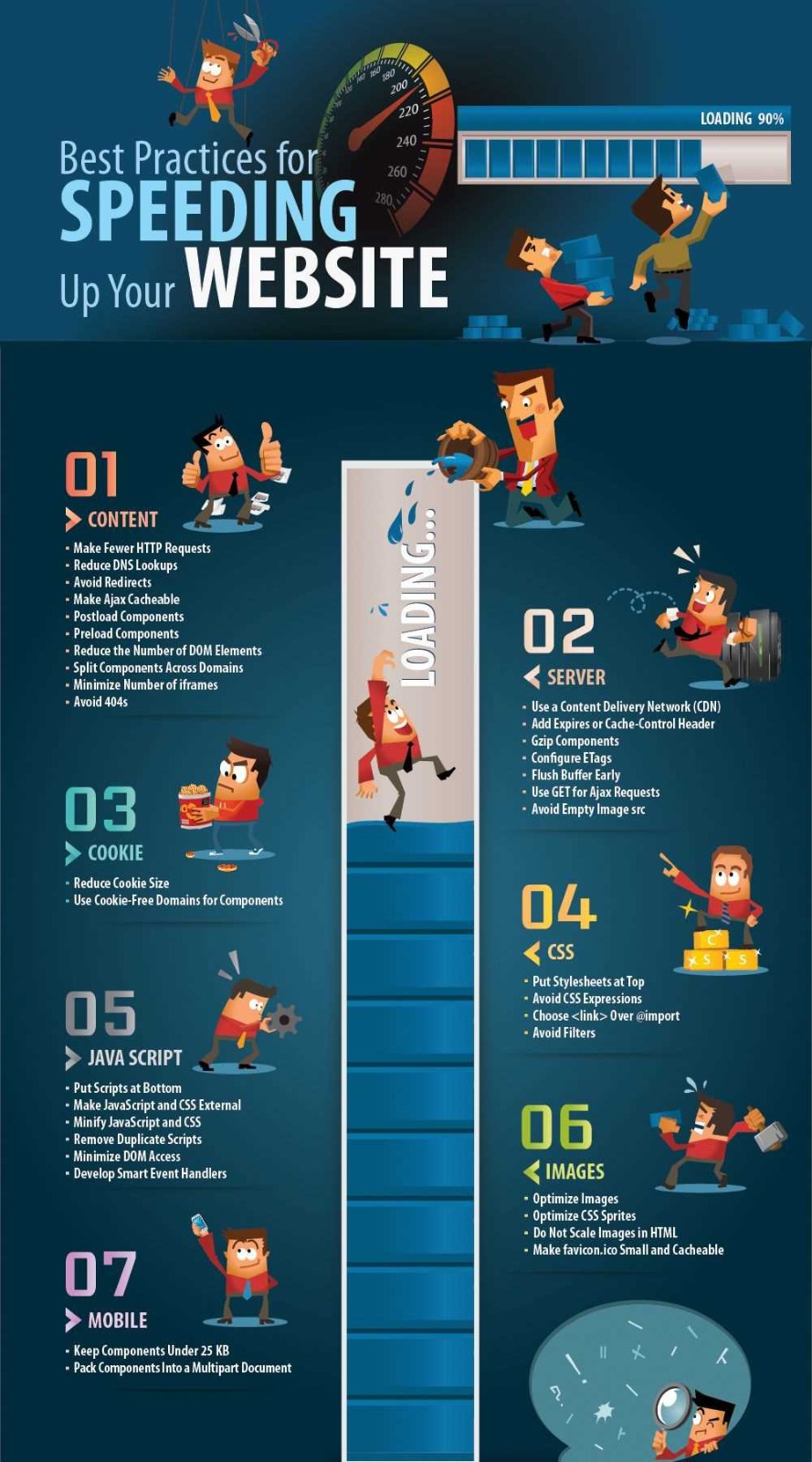
Best Practices for Speeding Up Your Website – Blog Description

A fast-loading website is essential for providing a better user experience, improving engagement, and reducing bounce rates. Website speed can directly affect how visitors interact with your website and how efficiently they access your content.

In this blog, we explore practical best practices for speeding up your website. You will learn how to reduce HTTP requests, minimize DNS lookups, avoid unnecessary redirects, optimize website components, and reduce the number of DOM elements. We also cover server-side techniques such as using a Content Delivery Network (CDN), enabling compression, configuring ETags, and using browser caching.

The blog also explains important optimization areas including CSS, JavaScript, images, cookies, and mobile performance. Techniques such as minifying CSS and JavaScript, removing duplicate scripts, optimizing images, reducing cookie size, and making your website mobile-friendly can significantly improve loading performance.

Whether you are managing a business website, blog, e-commerce platform, or web application, these website optimization techniques can help create a faster, smoother, and more efficient online experience.

🚀 Learn how to optimize your website performance and deliver a better experience to your visitors.

🔐 SSH: What It Is and Why It Is Important

SSH (Secure Shell) is a secure network protocol used to connect to and manage remote servers over the internet. It is one of the most important tools used by developers, system administrators, DevOps engineers, and server managers to securely access VPS, cloud servers, and Linux-based systems.

With SSH, you can remotely access a server through a command-line interface without needing to be physically present at the server location. This makes it especially useful for managing websites, applications, databases, files, and server configurations.

🖥️ How Does SSH Work?

SSH creates an encrypted connection between your computer and the remote server. When you connect using SSH, you normally provide the server's IP address or hostname along with a username and authentication method.

For example, a basic SSH connection can look like:

ssh username@server-ip

After successful authentication, you can execute commands and manage the server remotely.

🔐 Why Is SSH Important?

SSH is important because it provides a secure way to manage remote systems. It helps protect communication between your computer and server by encrypting the connection.

Some important uses of SSH include:

🔑 Secure remote server access
🖥️ VPS and Linux server management
📂 Secure file transfers
⚙️ Installing and configuring software
🌐 Managing websites and applications
🔄 Monitoring and maintaining servers
🔐 Managing users and permissions
🛡️ SSH Security

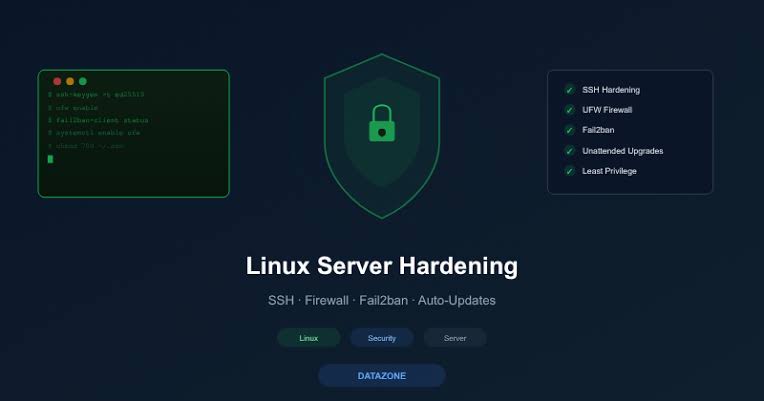
Proper SSH security is essential for protecting your server. Using SSH keys instead of passwords, disabling unnecessary login methods, limiting access, and keeping your server software updated are common security practices.

For VPS and cloud server users, understanding SSH is an important step toward learning Linux server administration and server management.

🚀 Conclusion

SSH makes it possible to securely manage servers from almost anywhere. Whether you are hosting a website, running a VPS, managing a cloud server, or deploying an application, SSH provides a powerful and secure way to control your server remotely.

Server Kaka provides useful guides about VPS Hosting, Cloud Servers, Linux, SSH, Server Security, Networking, and Website Management to help beginners and professionals understand server technology.

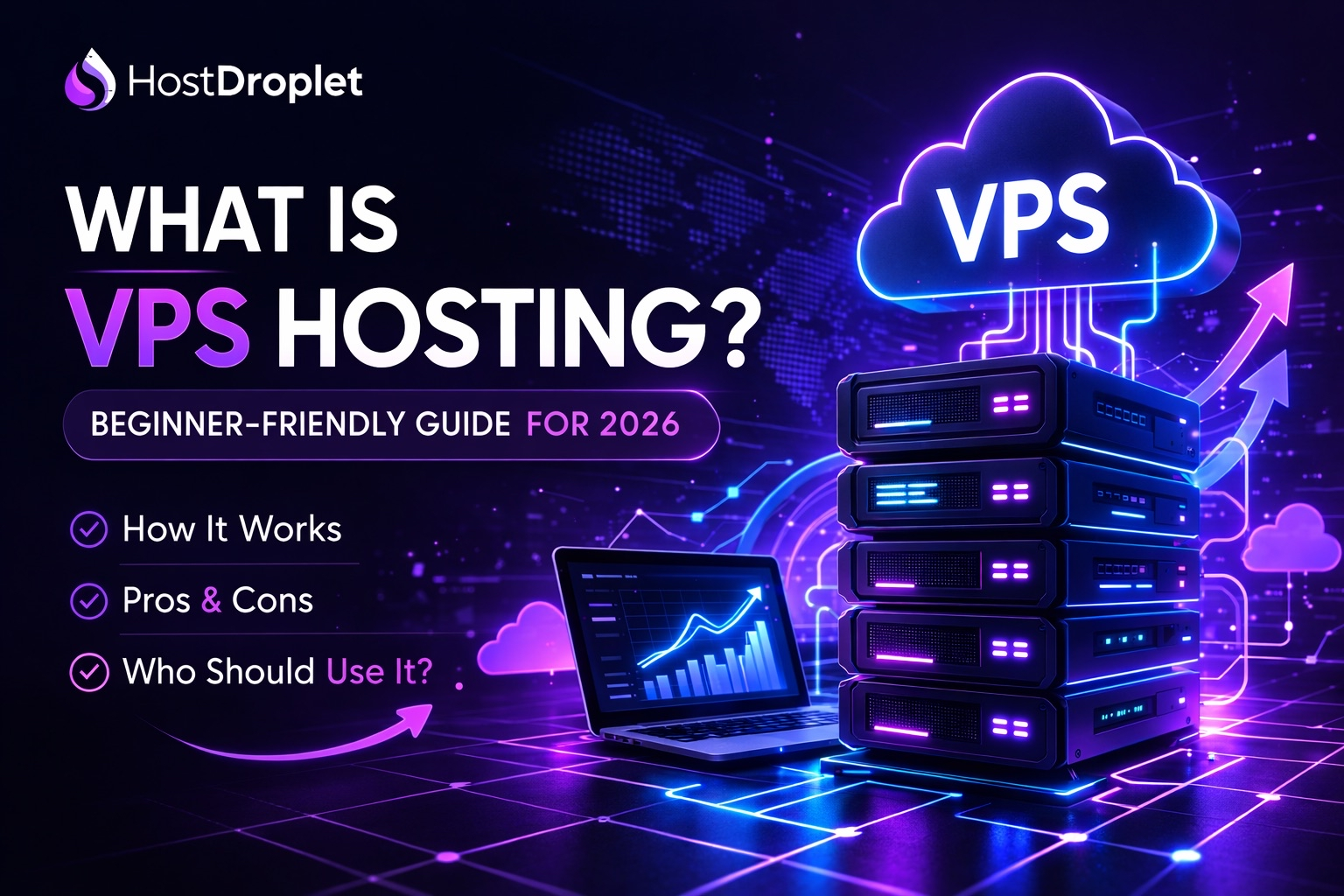
What is a VPS Server? A Complete Beginner’s Guide

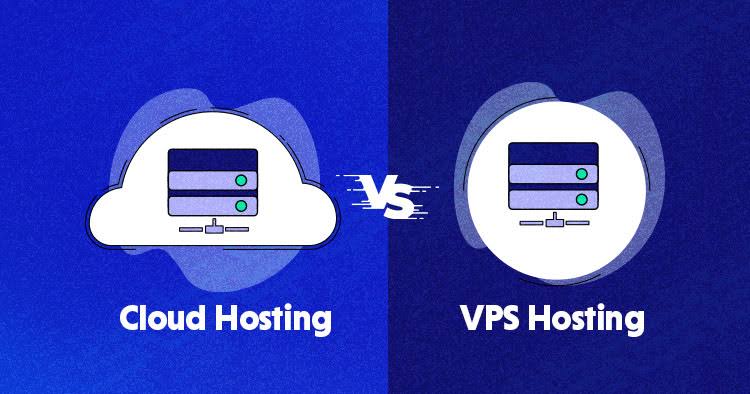
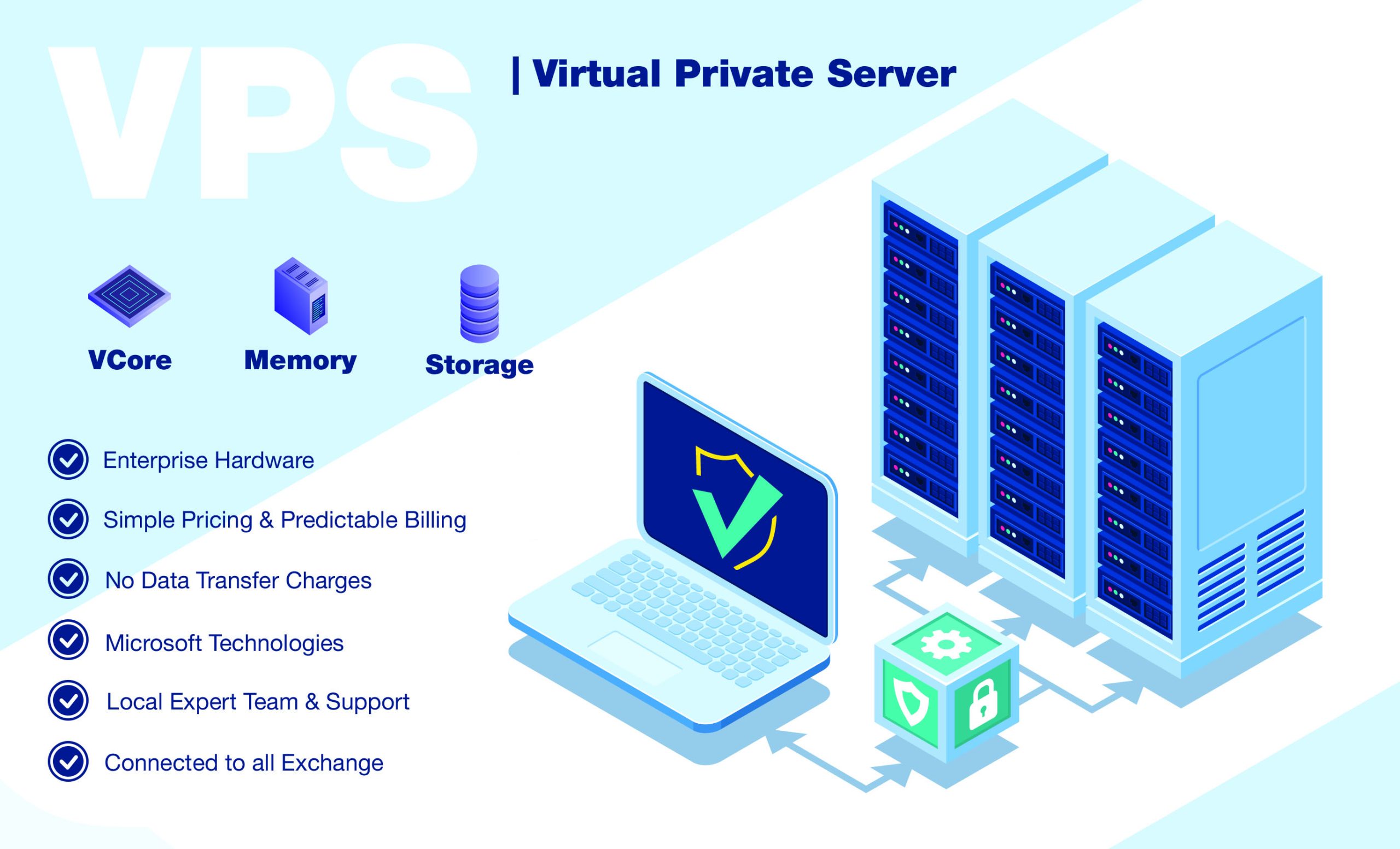
A VPS (Virtual Private Server) is a virtualized server environment that provides dedicated resources within a physical server. It gives users more control, flexibility, and customization compared with traditional shared hosting.

For businesses, developers, startups, and website owners, a VPS can provide a balance between affordability and server-level control.

At Server Kaka, we focus on making VPS and server technology easier to understand so users can choose the right infrastructure for their websites and applications.


🖥️ What is a VPS?

VPS stands for Virtual Private Server.

A physical server can be divided into multiple isolated virtual environments using virtualization technology. Each VPS operates as an independent server environment with its own allocated resources and operating system.

For example, one physical server might host several VPS environments:

Physical Server → Virtualization → VPS 1 | VPS 2 | VPS 3 | VPS 4

Each VPS can run its own applications and services independently.


⚙️ How Does a VPS Work?

A VPS uses virtualization technology to divide physical server resources into separate virtual machines.

The physical server provides resources such as:

  • CPU
  • RAM
  • Storage
  • Network connectivity

These resources are allocated to individual VPS environments according to their configuration.

Each VPS can have its own:

  • Operating system
  • Applications
  • Users
  • Files
  • Security settings
  • Server configuration

This gives users significantly more control than typical shared hosting.


🐧 VPS and Linux

Linux is one of the most commonly used operating systems for VPS servers.

Popular Linux distributions include:

  • Ubuntu
  • Debian
  • AlmaLinux
  • Rocky Linux
  • CentOS Stream

Linux VPS servers are widely used for websites, APIs, databases, development environments, web applications, and many other workloads.

Users can manage Linux VPS servers through tools such as SSH, control panels, and server-management software.


🔐 Why Choose a VPS?

1. More Control

A VPS can provide administrative access that allows users to configure the server according to their requirements.

2. Flexible Configuration

Users can install software, configure services, and customize the operating environment.

3. Resource Allocation

A VPS has allocated computing resources, helping provide more predictable resource availability than basic shared hosting.

4. Scalability

As a website or application grows, VPS resources can often be upgraded according to the hosting provider's available plans.

5. Suitable for Multiple Workloads

A VPS can be used for:

  • Websites
  • Web applications
  • APIs
  • Development environments
  • Databases
  • Business applications
  • Testing environments

🌐 VPS vs Shared Hosting

Understanding the difference between VPS and shared hosting is important.

Feature Shared Hosting VPS
Resources Shared Allocated virtual resources
Control Limited More control
Customization Limited Higher
Root/Admin Access Usually limited Often available
Scalability More limited Generally more flexible
Suitable For Basic websites Websites & applications needing more control

The right choice depends on the application's resource requirements, technical needs, budget, and expected traffic.


💻 What Can You Host on a VPS?

A VPS can support many different types of projects.

🌐 Websites

Host business websites, blogs, portfolios, and content platforms.

🛒 E-commerce

Run online stores and supporting services when the server configuration meets application requirements.

🚀 Web Applications

Deploy custom applications and backend services.

🔌 APIs

Host APIs that connect websites, mobile applications, and other services.

🗄️ Databases

Run databases when the workload and architecture are appropriate for the VPS resources.

🧪 Development & Testing

Create isolated environments for software development and testing.


🔑 What is SSH?

SSH (Secure Shell) is a protocol commonly used to securely connect to and manage a remote Linux server.

For example, administrators can use SSH to:

  • Install software
  • Manage files
  • Configure services
  • Check server resources
  • Update packages
  • Manage users
  • Review logs

SSH is one of the most important tools for Linux VPS administration.


🛡️ VPS Security

Having a VPS gives you more control, but it also means that server security becomes an important responsibility.

Some basic security practices include:

🔥 Configure a Firewall

Allow only required network traffic and services.

🔐 Use Strong Authentication

Use strong passwords and SSH keys where appropriate.

👤 Manage User Permissions

Give users only the permissions they actually need.

🔄 Keep Software Updated

Regularly apply operating-system and application security updates.

💾 Maintain Backups

Keep reliable backups of important files and databases.

📊 Monitor Your Server

Monitor CPU, RAM, storage, network activity, and important logs.


📈 When Should You Choose a VPS?

A VPS may be worth considering when:

  • Your website has outgrown basic shared hosting.
  • You need more server customization.
  • You need specific software or configurations.
  • You are deploying a web application.
  • You need greater control over the operating system.
  • You want an isolated virtual server environment.

However, VPS administration may require more technical knowledge than managed shared hosting.


🚀 Server Kaka – VPS & Linux Solutions

At Server Kaka, our goal is to make server technology simple and accessible.

Whether you are a developer, startup, business owner, website administrator, or technology learner, understanding VPS infrastructure can help you make better hosting decisions.

From VPS and Linux servers to cloud infrastructure, hosting, security, and server management, Server Kaka focuses on practical solutions for modern digital projects.

🖥️ Server Kaka

VPS | Cloud | Linux | Hosting | Server Security | Server Management

Build Better. Host Smarter. Grow Faster. 🚀
Start Building today

Your content goes here. Edit or remove this text inline or in the module Content settings. You can also style every aspect of this content in the module Design settings and even apply custom CSS to this text in the module Advanced settings.

Sign Up


GPU Droplets: High-Performance Cloud GPUs for AI and Machine Learning

As artificial intelligence, machine learning, and generative AI continue to evolve, developers and businesses need powerful computing infrastructure to train models, run inference workloads, process large datasets, and build intelligent applications. DigitalOcean GPU Droplets provide on-demand, GPU-powered cloud infrastructure that makes it easier to run demanding AI and high-performance computing workloads without managing physical GPU servers.

GPU Droplets combine the simplicity of DigitalOcean Droplets with dedicated GPU acceleration, giving developers access to high-performance AMD and NVIDIA GPU configurations for AI/ML development, model training, inference, data processing, rendering, and other compute-intensive applications. 

What Are GPU Droplets?

GPU Droplets are Linux-based virtual machines equipped with powerful GPUs that accelerate workloads that benefit from parallel processing. Unlike traditional CPU-only virtual machines, GPU Droplets are designed to handle computationally intensive workloads such as deep learning, neural network training, generative AI, model fine-tuning, inference, and high-performance computing.

Developers can provision GPU Droplets through the DigitalOcean Control Panel or API and use them as part of a broader cloud infrastructure. GPU Droplets can also integrate with other DigitalOcean services, including Kubernetes, object storage, databases, networking, and other application infrastructure.

What Are GPU Droplets?

GPU Droplets are Linux-based virtual machines equipped with powerful GPUs that accelerate workloads that benefit from parallel processing. Unlike traditional CPU-only virtual machines, GPU Droplets are designed to handle computationally intensive workloads such as deep learning, neural network training, generative AI, model fine-tuning, inference, and high-performance computing.

Developers can provision GPU Droplets through the DigitalOcean Control Panel or API and use them as part of a broader cloud infrastructure. GPU Droplets can also integrate with other DigitalOcean services, including Kubernetes, object storage, databases, networking, and other application infrastructure.

Built for AI and Machine Learning Workloads

Modern AI applications often require significantly more computational power than conventional web or application workloads. Training large machine learning models, processing high-dimensional datasets, and serving AI models in production can place substantial demands on traditional CPU infrastructure.

GPU Droplets are designed to address these requirements by providing GPU acceleration for workloads including:

  • AI and machine learning model training
  • Large language model (LLM) training and fine-tuning
  • Generative AI applications
  • AI model inference
  • Computer vision
  • Natural language processing
  • Deep learning
  • High-performance computing (HPC)
  • Large-scale data processing
  • 3D rendering and that developers can manage them similarly to other DigitalOcean Droplets. Instead of maintaining physical servers, power systems, cooling infrastructure, GPU hardware, and data center equipment, teams can provision cloud-basedWhether you're experimenting with a new machine learning model, fine-tuning a foundation model, deploying generative AI inference, or running a demanding HPC workload, GPU Droplets provide the accelerated infrastructure required to move from graphics workloads
  • Video processing and media applications

By moving computationally intensive operations to GPU infrastructure, developers can build and test AI workloads without having to purchase and maintain their own physical GPU hardware.

Related Blog Posts

Dedicated Server VS Server

Hosting Options: Shared vs. VPS vs. Dedicated Choosing the right hosting option is an important decision for the performance, security, scalability,...

Server Backup

Website Backup – A Complete Guide A website backup is an essential part of website security and data protection. It creates a copy of your website...

IP Address

An IP Address is a unique numerical address assigned to a device connected to a network or the Internet. It helps identify devices such as...